
Overview
Personal Loan Comparison is a free, no-obligation guidance service for Hobart and Tasmanian borrowers who want to understand the real cost of a personal loan before applying. We explain how secured and unsecured loans differ, how to read a comparison rate, which fees matter and how the loan term changes what you pay, so you can compare offers on an even footing.
Hobart Loans is not a lender and does not hold an Australian Credit Licence. We don't offer loans, quote rates, recommend a specific product or make credit decisions, and we can't promise you will be approved. If, after the review, you'd like to speak with a licensed lender or broker, we can refer you to an Australian Credit Licence holder. Before we do, we tell you whether we receive a referral fee and how much, and you are free to say no.
Who it's for
- People planning a specific purchase, such as a used car, home repairs, a medical or dental bill, or a wedding, who want to borrow a fixed amount and repay it over a set term.
- Borrowers who have received one or more loan offers and want help understanding the fine print.
- Anyone unsure whether a personal loan, a credit card or simply saving for a few more months is the better path.
- Tasmanians whose credit history has a few marks on it and who want to understand what lenders may see before applying.
If you're thinking of a personal loan mainly to pay off other debts, our Debt Consolidation Planning service is likely a better starting point.
What we help with
Reading a comparison rate
Lenders advertising consumer credit with an interest rate generally must also show a comparison rate, which rolls most standard fees and charges into a single percentage. It is useful, but it's calculated on a standard loan amount and term set by law, so it may not reflect the loan you actually take. It also leaves out some costs, such as late payment or early repayment fees. We show you how to compare like with like.
Secured versus unsecured
A secured personal loan uses an asset, often the car being bought, as security. That can mean a lower rate, but the lender may repossess the asset if you default. An unsecured loan has no specific security and usually costs more. We explain the trade-offs in plain English.
Fixed versus variable, and flexibility
Fixed-rate loans give certain repayments but may charge for paying off early. Variable loans can change in cost but often allow extra repayments without penalty. We help you list the features that matter to you, such as extra repayments, redraw and early payout costs, so you can ask each lender the same questions.
Choosing a term
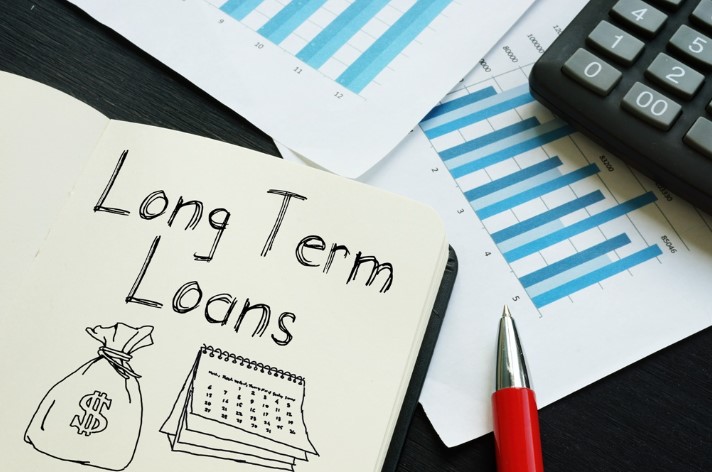
A longer term lowers each repayment but usually increases total interest and fees. Try different terms in the loan calculator, and read Long-Term Loans Explained for the full picture.
Credit history and applications
Every formal application usually records a credit enquiry on your file, and lenders can see enquiries made by others. We explain how to get your free credit reports from Equifax, Experian and illion, how to dispute errors, and why some lenders offer a rate estimate before a full application. Our guide on how lenders assess loan applications covers what they look for.
How it works
Tell us what you're borrowing for
Send a brief enquiry through the contact form with the purpose, rough amount and any offers you already have. We reply within one business day.
Free comparison conversation
We talk through your budget, existing debts and what flexibility you want. No credit check, no cost, no obligation.
Your comparison summary
You receive a written summary: the loan types worth considering, a fee and feature checklist to use on every offer, illustrative repayment scenarios and the documents to prepare.
Optional referral
If you want to proceed with a licensed lender or broker, we first disclose any referral fee, then share only the details you agree to.
What you'll need
- Photo ID such as a Tasmanian driver licence or passport
- Two recent payslips or other proof of income
- Self-employed: your latest tax return and notice of assessment
- Three months of transaction account statements
- Statements for existing credit cards, loans and buy now pay later accounts
- A simple monthly budget of your regular expenses
- Your free credit reports from Equifax, Experian and illion
- A quote or invoice for what you're buying, if applicable
- Vehicle details (make, model, year, VIN) for a secured car loan
- Any written loan offers you have already received
Options compared
| Product | Typical purpose | Typical term | Security | Things to watch |
|---|---|---|---|---|
| Unsecured personal loan | Repairs, medical costs, one-off purchases | Commonly 1–7 years | None | Generally higher rate; establishment and monthly fees |
| Secured personal loan | Buying a car or other asset | Commonly 1–7 years | Usually the asset being bought | Asset can be repossessed on default; insurance usually required |
| Credit card | Short-term, flexible spending | Ongoing | None | High rates if not cleared; minimum repayments stretch debt out |
| Line of credit or home loan redraw | Larger or ongoing expenses | Ongoing or as per home loan | Often your home | Short-term spending spread over a long home loan term can cost more |
| Buy now pay later | Small retail purchases | Usually weeks to months | None | Late fees; multiple accounts are easy to lose track of |
| Small amount credit contract (payday loan) | Small, urgent amounts | 16 days to 1 year | Usually none | Very high cost relative to the amount; consider no-interest loan schemes first |
For urgent small amounts, Moneysmart explains no-interest and low-interest loan options available to eligible people.
Advantages & watch-outs
Advantages
- Compare offers on total cost, not just the headline rate
- Know the questions to ask about fees and early repayment
- Avoid unnecessary applications that add enquiries to your credit file
- Free, independent and no obligation, with any referral fee disclosed first
Watch-outs
- We explain options in general terms; we don't recommend a specific loan
- We can't promise approval, a rate or how quickly a lender decides
- Rates, fees and lender criteria change; always check the actual offer and its key facts sheet or credit guide
- Borrowing for wants rather than needs deserves a pause before signing
Worked example: 3 years or 5 years?

Example (illustrative only): you want to borrow $15,000 at an illustrative 11% p.a. fixed rate, with a $250 establishment fee paid upfront and a $10 monthly account fee. We compare a 3-year and a 5-year term with monthly repayments.
| Term | Monthly repayment | Total interest | Total fees | Total cost of borrowing |
|---|---|---|---|---|
| 3 years (36 months) | $491.08 | $2,678.91 | $610.00 | $3,288.91 |
| 5 years (60 months) | $326.14 | $4,568.18 | $850.00 | $5,418.18 |
The 5-year option feels easier each month but costs $2,129.27 more in total. Notice that the monthly fee alone adds $360 over 3 years and $600 over 5 years, which is why fees deserve as much attention as the rate. A middle path some borrowers consider is choosing the longer term for safety and making extra repayments when they can, but only if the loan allows extra repayments without penalty. That is a question to ask every lender.
Weighing up a personal loan? Get a free, no-obligation comparison review. We reply within one business day.
Request a free reviewFrequently asked questions
Will you tell me which personal loan to choose?
No. We explain how loans work and give you a framework to compare offers, but we don't recommend a specific product. A licensed lender or broker can provide that after assessing your situation.
Does using this service affect my credit file?
No. We don't access your credit file. Formal applications to lenders usually do record an enquiry, which is one reason to compare carefully before applying.
Why is the comparison rate different from the interest rate?
The comparison rate includes most standard fees and charges as well as interest, based on a standard loan amount and term. It's a helpful guide, but check the fees for the actual amount and term you plan to borrow.
Can I pay a personal loan off early?
Often yes, but fixed-rate loans in particular may charge an early repayment or break fee. Check the contract and ask the lender before you sign.
What if I'm struggling with repayments on an existing loan?
Contact your lender early. Under the National Credit Code you can ask for a hardship variation, and if you can't resolve a dispute you can contact AFCA, the free external dispute resolution scheme.
Is there really no cost?
Yes, the review is free. If you choose a referral to a licensed provider, we may receive a referral fee from them, which we disclose before referring you.
Want to understand a term? Visit our glossary or the general FAQ.